Curious whether those tiny injections can really soften forehead lines and crow’s feet without changing how you look? Yes, when placed by a skilled, certified injector, botox treatment can relax specific muscles, smooth dynamic wrinkles, and leave expression intact, all with minimal downtime.
What botox actually is, and how it works
Botox cosmetic is a purified neurotoxin derived from Clostridium botulinum. In clinical use, it is precisely dosed and FDA approved for temporary improvement of moderate to severe frown lines between the brows, crow’s feet, and forehead lines. The mechanism is straightforward if you picture a switch on a nerve. Nerves tell muscles to contract by releasing acetylcholine. Botulinum toxin interrupts that signal at the neuromuscular junction. The muscle no longer receives the message to contract fully, so the overlying skin creases far less.
This effect is localized. The product does not travel far from the injection point when properly diluted and placed in appropriate planes. That is why a botox brow lift can create a subtle arch, while avoiding a heavy lid look, and why botox for forehead lines can soften horizontal creases without freezing your entire upper face. Technique, dose, and anatomy are the levers.
Where botox fits in cosmetic medicine
Botox injections target dynamic wrinkles, the ones that deepen with expression, like the 11s between your brows, crow’s feet from smiling, bunny lines on the nose, or a pebbled chin. It also helps with certain contour issues driven by muscle activity, such as a gummy smile, a downward-pulling mouth corner, prominent masseter muscles along the jawline, or vertical bands in the neck.
Fillers, by contrast, add structure and volume. If you pinch a crease and it stays, or if volume loss in the cheeks is flattening the midface, you are in filler territory. The two often complement each other. Botox for fine lines in motion, filler for static folds and volume, and sometimes skin treatments for texture. Patients who expect botox to replace filler, or vice versa, end up disappointed. Knowing what each tool does leads to smoother, more natural results.
What to expect at your first consultation
The best botox results begin before the syringe uncaps. In my practice, I start with a mirror in the patient’s hand. We map movement: frown, raise brows, smile wide, squint, Have a peek here puff cheeks, and relax. I look for symmetry, dominant muscles, and any pre-existing brow heaviness or lid hooding. We review medical history, including migraines, neuromuscular disorders, blood thinners, allergies, recent infections, prior botox experience, and pregnancy or nursing status. If you have an upcoming event, timing matters because you need two weeks to see full effect.
You should feel comfortable asking botox questions. Common ones include the botox cost in your area, how long it lasts, and what the plan is for botox aftercare. An ethical injector will explain risks, benefits, alternatives, and reasonable expectations. If you are searching botox near me, prioritize a board-certified dermatologist, plastic surgeon, facial plastic surgeon, oculoplastic surgeon, or a certified injector working under physician supervision in a reputable medical spa or clinic. Training and experience matter more than a deal.
The procedure, step by step
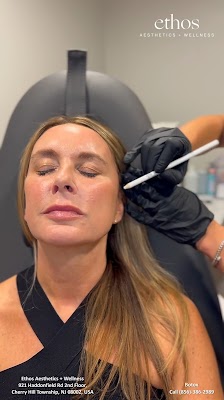
Botox is a non surgical office procedure. It usually takes 10 to 20 minutes. After makeup is removed and the skin is cleansed, we mark injection points lightly with a skin pencil. A fresh micro-needle delivers very small aliquots into the targeted muscles. The sting is brief. Some practices use ice or a topical numbing cream, especially around the crow’s feet or lips. For the forehead and glabella, most patients find numbing unnecessary.
Dosing is measured in units. Forehead lines might need 6 to 20 units depending on forehead height and muscle strength. The glabella generally takes 10 to 25 units. Crow’s feet per side can range from 6 to 12 units. Masseter reduction for a square jawline might require 20 to 40 units per side, often in a series of sessions. These are typical ranges, not promises. Men often require more units than women due to stronger muscle mass, and first-time patients sometimes start conservative to see how their anatomy responds.
A classic first-time plan might treat the glabella and crow’s feet, skip the forehead if you carry a naturally low brow, then reassess at two weeks. That prevents a heavy brow and teaches both of us how your muscles behave. Subtle adjustments at follow-up fine-tune the outcome.
What botox feels like, and how recovery works
Immediately after your botox session, you can expect faint bumps at injection sites, mild redness, and occasional tiny bleeds that stop within seconds. The bumps flatten in 10 to 20 minutes. Ice helps. Makeup can usually be reapplied after two hours if the skin is intact. Most people go back to work or errands right away. That minimal downtime is one of botox’s core benefits.
Botox results do not appear instantly. You may notice early softening by day 3 to 5, with full effect at day 10 to 14. The duration generally runs 3 to 4 months, sometimes 2 to 5 months depending on metabolism, dose, muscle strength, and treatment area. Areas like the masseters and neck bands often stretch longer once you have had a few sessions because the muscle deconditions.
Avoid heavy workouts, hot yoga, or sauna for the first 24 hours. Skip massages and facials for two days. Do not rub or press hard on treated areas the day of the procedure, and try to remain upright for at least four hours. These simple care instructions help prevent product migration and reduce botox bruising and swelling risk.
Safety, risks, and what “overdone” really means
Botox is FDA approved for cosmetic use in the upper face, with a safety profile supported by decades of research and millions of treatments performed worldwide. Still, any injectable carries potential side effects. Common ones include temporary redness, swelling, pinpoint bruising, a headache, or tenderness at injection sites. Less commonly, you might see eyelid heaviness or brow ptosis if product diffuses into a lifting muscle. This often resolves as the botox effect fades, which can take a few weeks. Thorough anatomical mapping and careful placement keep this risk low.
A “frozen” look is not a medical complication, but a design error or a mismatch between your preference and the injector’s approach. A natural look relies on selective dosing, leaving key muscles partially active for expression. If you raise your brows to communicate, over-relaxing the frontalis will make you feel muffled. That is why the art of botox is not just how many units, but where and how they are placed.
Rare risks include allergic reactions and, for off-label areas like the neck or masseter, transient weakness in non-target muscles if technique is poor. Choosing a certified provider who explains botox risks and has a clear plan for follow-up makes a difference. If you have any medical issues like myasthenia gravis, ALS, or are pregnant or breastfeeding, botox is generally avoided. When in doubt, ask your dermatologist for personalized guidance.
Who makes a good candidate
If you see lines etched by expression and want a smoother, rested look without surgery, botox cosmetic likely fits. Patients in their late 20s or early 30s often use botox prevention strategically, treating early dynamic lines to avoid deep creases. Patients in their 40s to 60s typically pair botox with skin care and possibly fillers to address static lines and volume loss. There is no single best age, only the right indications.
Botox for men remains one of the fastest-growing categories, with dosing adjusted for stronger musculature and aesthetic preferences, like maintaining more forehead movement. Men often favor subtle results that keep a rugged edge, especially at the crow’s feet. Women often prioritize a luminous forehead and brow position that opens the eyes. These are general patterns, and individual taste drives the plan. A good injector listens closely.
Cost, pricing models, and value
Botox pricing varies by region, provider expertise, and whether the clinic charges per unit or by area. In the United States, per-unit prices often range from 10 to 20 dollars. Treating the glabella might require 15 to 25 units, the forehead 6 to 20 units, and crow’s feet 12 to 24 units total. Some medical spas bundle areas at a flat rate. Beware of prices that seem too low to be plausible. Counterfeit product and diluted syringes exist. A reputable clinic sources directly from the manufacturer, stores vials properly, and can show you lot numbers if you ask.
Value is not cost alone. Consider injector training, follow-up care, and the consistency of results. If you are comparing botox clinics, ask how the practice handles touch-ups, what happens if you experience a side effect, and whether photos are taken at each session for precise botox before and after tracking.
Planning your timeline: from first visit to maintenance
Expect a timeline like this: day 0 injection, day 3 to 5 early effect, day 10 to 14 full result, week 10 to 14 gradual softening, and a return appointment around month 3 to 4 for repeat treatment. With consistent botox maintenance, many patients notice lines remain shallower even as the drug wears off, because the skin has had months of reduced creasing. For masseter contouring or jawline softening, initial sessions might be spaced 3 months apart, then extended to 6 months once the muscle thins.
If you are preparing for a wedding, photoshoot, or reunion, plan your first botox appointment at least 6 weeks before the event, not the week of. That window allows for adjustments and ensures any minor bruising has faded. Bring reference photos only as a conversation starter, since the best results tailor to your anatomy rather than copying a celebrity’s face.
How much is too much
One of the most frequent botox myths is that more units guarantee a longer duration. After a point, piling on dose does not significantly extend longevity, it only risks stiffness. Longevity is more influenced by muscle metabolism, your level of expression, and time between sessions. Another myth is that once you start, you must continue forever or your face will sag. If you stop, your muscles gradually return to baseline. You will not age faster. You just lose the smoothing you enjoyed during treatment.
Overdone results happen when aesthetic goals are not aligned. If you need your brows mobile for presentations, tell your injector. If a brow lift is a priority, consider fewer forehead units and more precise placement at the tail of the brow. If you rely on your masseters for night-time clenching, discuss botox therapy carefully, as reducing those muscles can improve jawline sleekness yet may feel different during chewing for a short period. Trade-offs exist. Good planning anticipates them.
Comparing botox to alternatives
Neurotoxins are not the only path to smoother skin. For fine etched lines that persist at rest, fractional laser resurfacing, microneedling with radiofrequency, or chemical peels can remodel the dermis. For volume loss and folds, hyaluronic acid fillers restore contour. For brown spots and texture, medical-grade skin care with retinoids, vitamin C, and diligent sunscreen can shift the canvas underneath your wrinkles. And for those who dislike injectables altogether, neuromodulating peptides in skin care and devices that discourage habitual frowning can help, though results are less dramatic.
Botox vs fillers is not either-or but which-first. Many patients start with botox for forehead lines and crow’s feet because the procedure is quick with virtually no downtime. If a deep fold remains after botox, a small filler placement might smooth the rest.
A few patient stories that capture the range
A 31-year-old marketing director came in with early 11s that makeup could no longer blur. We used 18 units in the glabella and 10 per side for crow’s feet. She wanted movement preserved. At her two-week check, she looked rested but expressive. She now returns roughly every 4 months. Her before and after photos show the same smile, minus the crepe at the eye corners.
A 46-year-old teacher worried about a heavy brow. We avoided botox across the central forehead during the first visit and focused on the glabella and a gentle botox brow lift laterally. The result brightened her eyes without flattening her forehead. By visit two, we added 6 forehead units in a high pattern. The lift held, and she felt “like me, just less tired.”
A 38-year-old man with jaw pain from clenching wanted a slimmer jawline. We treated his masseters with 28 units per side. At 6 weeks, his face looked subtly narrower, and his night guard showed fewer wear marks. He noted chewing felt different for a week after each botox session, then normalized. He maintains every 5 to 6 months now.
Aftercare details that actually matter
Beyond the standard no-gym, no-heat guidance on day one, I ask patients to avoid sleeping face-down that first night. If a bruise forms, arnica may help, and a dab of concealer works the next day. For botox lips or a gummy smile correction, expect more tenderness because the orbicularis oris is sensitive. If you receive a lip flip, straws and whistling may feel odd for a few days. Around the eyes, sunglasses hide any pinpoint redness as you leave the clinic.
If a headache occurs, over-the-counter pain relievers that do not thin the blood are preferred. Most people do not need any medication. If you develop asymmetry, such as one eyebrow higher than the other at day 10, let your provider know. Micro-adjustments with one or two units can even things out quickly. Do not chase perfection on day two. Let the product declare itself.
When subtle beats dramatic
The most beautiful botox results are often the ones nobody can quite name. Your friend says you look well-rested. Your makeup sits cleanly. You take fewer photos from your “good side” because both sides now read as good. I often favor under-correcting by a hair at a first appointment. You can always add at the follow-up. Removing botox is not an option. You simply wait it out.
If dramatic change is what you want, say so. A lifted tail of the brow can open a hooded lid. Smoothing a strong chin crease can soften the mouth’s downturn. Easing the platysmal bands can make the neck look younger in selfies. The key is harmony across the face. Treating one zone in isolation can make untreated areas look harsher by comparison. A thoughtful plan sequences treatments over time.
Science notes for the curious
Botulinum toxin type A, the category used in botox cosmetic, cleaves SNAP-25, a protein necessary for acetylcholine release. That is the molecular step that prevents contraction. Different brands in the neurotoxin family vary in complexing proteins, diffusion characteristics, and unit potency, which is why units are not interchangeable across brands. Clinical research supports safety over repeated cycles, and antibodies that reduce efficacy are rare at cosmetic doses. If you suspect reduced response, talk to your injector about dosing, interval spacing, and whether you might benefit from a different formulation.
" width="560" height="315" frameborder="0" allowfullscreen="" >
Choosing the right provider
Credentials are your first filter, but artistry and listening skills are what you will live with. Look for a botox dermatologist or surgeon who treats faces all day, not occasionally between other services. Ask how they map anatomy, whether they photograph every session in consistent lighting, and if they schedule a two-week check by default. A clinic that tracks outcomes carefully tends to deliver consistent botox results.
If you are vetting a medical spa, ensure there is physician oversight and that injectors are trained, licensed, and comfortable describing the botox procedure steps. Read botox reviews critically. Patient stories can reveal whether the practice handles concerns with grace. During your botox consultation, pay attention to how thoroughly risks and trade-offs are discussed. If you feel rushed or pushed toward more treatment than you want, keep looking.
Smart skin care around your injections
Botox improves lines created by movement, but it does not replace sunscreen, retinoids, and hydration. Daily SPF blocks the UV that thins collagen. A nightly retinoid stimulates turnover and strengthens the dermis, making botox’s smoothing effect look even better. Vitamin C supports brightness, and peptides or niacinamide can boost barrier health. If you are using strong actives, pause them the night before and the night after treatment to minimize stinging, then resume as tolerated.
For those tracking a full botox skin care plan, I recommend quarterly visits aligned with your neurotoxin cycle. That is an ideal cadence to reassess what your skin needs seasonally, whether it is a peel in winter or a pigment-focused laser after summer.
A quick, practical comparison
- Botox for wrinkles: best for dynamic lines such as frown lines, crow’s feet, and forehead lines. Expect effect in 3 to 14 days, lasting about 3 to 4 months. Fillers: best for volume and static folds like nasolabial creases or under-eye hollows. Immediate result with variable longevity, often 6 to 18 months or more depending on the product.
A simple pre- and post-care checklist
- Before: skip alcohol and blood-thinning supplements for 24 to 48 hours if possible, arrive with clean skin, and bring your timeline and goals. After: stay upright 4 hours, avoid strenuous exercise and heat for 24 hours, do not rub injection sites the day of treatment, and schedule a two-week assessment.
Photos, expectations, and that first mirror moment
Botox before and after photos can be tricky. Expressions rarely match exactly unless the practice is meticulous about camera height, lighting, and cues. When I photograph, I capture relaxed, mild expression, and exaggerated expression. That tells the full story. If you track your own botox timeline at home, take selfies in consistent light, at rest and while frowning or smiling. Expect the first mirror moment to feel subtle. The best changes show up in how makeup sits, how your eyes catch light, and how your forehead remains smooth even when you are concentrating.
Final thoughts for first-timers
Botox is neither a magic wand nor a moral hazard. It is a well-studied tool that, in trained hands, makes dynamic lines gentler and faces read less tired. For some, it is a preventive treatment started lightly to slow crease formation. For others, it is a quarterly ritual like a haircut, part of a broader aesthetic approach that might include filler, lasers, or disciplined skin care. The important choices are simple: choose a certified provider, align on a natural look versus a dramatic change, and plan your botox maintenance with your calendar, not against it.
If you still have botox questions, bring them to your consultation: botox how it works, botox how long it lasts for your specific anatomy, whether a botox lip flip fits your smile, whether botox for smile lines is right or if a filler or skin treatment would be better, and how to sequence treatments if you are building toward a milestone. Your face is a map of muscle habits and expressions that make you you. The goal is not to erase them, but to edit them thoughtfully so skin looks smoother and your expressions read the way you intend.